
i have this association with queer Christianity and figs that i can’t quite shake. every time i eat one, i just sort of feel hopeful for the future. i don’t know what a possible correlation might be, symbolism-wise, but it’s a nice feeling.
Category: Uncategorized
the true way to see who’s the most emo in your family is by asking them what their favorite christmas carol is. for example:
secular songs: complete prep. not emo in the slightest.
silent night: preppy, but not overly so
o little town of bethlehem, we three kings, and similar songs: kind of in the middle, possibly emo-leaning
o come, o come, emmanuel: very emo and probably gay
Spell for hope
Write down all the reasons you should keep going. Charge it each night with starlight. Read it every morning. Think about the fact that if the light of probably long dead star can can travel through space to end its journey on a piece of paper owned by you, then nothing is impossible.
Not that I want to but in here but this is an adorable spell okay. And I just want to highlight it.
It doesn’t have a lot of notes, so I’m wondering if it’s because it maybe doesn’t look like one could really do a whole lot with this. But this actually does execute several different magical techniques at once.
1. Paper – Paper is a very common medium by which people write and do a lot of spells on. In fact, paper itself can be one of the most important elements to particular spells. Some people use paper to create contracts, some people use particular types of paper to create art with and use that art to enchant things, some people use particular paper to hold things [like creating an origami box, to create a spell trap, just for instance]. Paper can be folded, cut, burned, stripped, written on, painted on, sprayed on, etc. It’s extremely versatile as a medium used in witchcraft. I have used paper in shapes before, I have written on paper and let it soak in acid/vinegar, I have done all kinds of shit with paper.
2. Writing – WRITING is also a really good construction for spells. Written (or rather words that are in a form that are not verbalized, I should say) is an extremely common thing in witchcraft as well. Usually it goes hand and hand with paper magic. But not always. FOR INSTANCE, writing in honey on a plate, and then running water over it, and drinking the words. Or writing in water on your skin to absorb the words. Or stitching words into garments. The very act of writing it down may help solidify things for you from a magical perspective.
3. Repetition – so this spell does have a repetitive element to it, with every night and every morning. Repetition is very common in what I like to refer to as “layered spellwork.” Meaning you wear the spell down into itself over and over again, putting one more layer on top, one more layer on top. It’s really a foundational member for a lot of folk magic paradigms. The more times you do it, the more time you put into it, the stronger that magic becomes.
4. Charging via Celestial bodies – so charging can happen through a variety of means, for instance one can charge an object by putting their hands on it. But there’s also the idea of charging things by the sun, the moon, under a certain star constellation, under a certain day [you bring it out to absorb the day and put it away at midnight]. It’s extremely common in my opinion, in more simplistic spells, for there to be a charging component via a celestial body.
5. Visualization or Mental Processing – The thinking or processing of the star light traveling through space to the paper is another very common spell mechanism. Now some people cannot visualize light passing through to the paper, so that’s why I’m also grouping the thought together with this one. It’s very mental, it makes this thought of these items here, very internalized. There’s a lot of internalization magic in the world, especially when it comes to Sigil working sometimes. There’s this idea with particular sigils that you think and process them so hard that they literally become a fundamental thing in your living body. They become embodied in your brain cells and ultimately become *alive* or *activated*. So this is a very, very, very specific form of thought magic.
But I thought looking into it that it was very near that concept.
So this is an extremely advanced spell [meaning it has 5 or more things, depending on if you add on some other things like, what kind of ink was used, how the the words were written, like in a spiral, for instance, or over each other, or as a list, as a picture poem, etc etc etc] and it’s extraordinarily simple and awesome.
APPRECIATE THIS SPELL. LOVE IT.
THAT’S ALL I’M SAYING.
Rebaggling so people can keep in the loop!
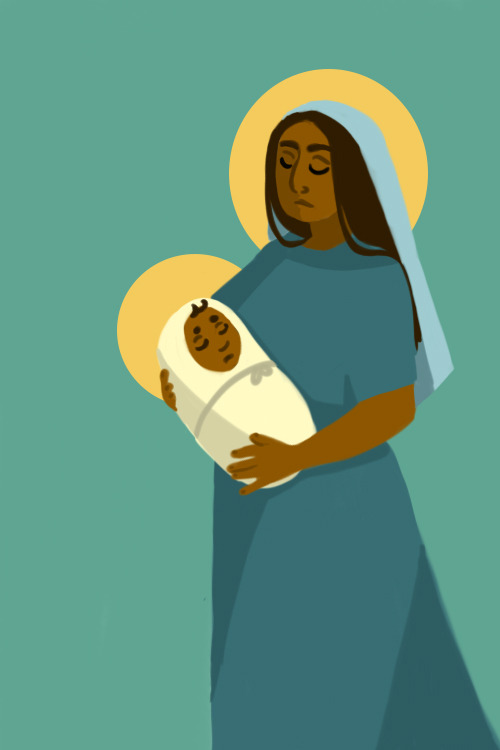
from drunk theology #7: can you elaborate on the “fight god in a back ally christian” because i think i relate to that?? and maybe some advice for those types of christians?
Idk I feel like a “fight God in a back alley Christian” (or any person of faith, really) is someone who is all about authenticity and finding God in the dirty, unexpected, profane corners of the world.
It’s someone who leans into the volatility of their own faith. It’s about being comfortable with divine paradox and human anger, and telling God exactly how you’re feeling, whether or not it sounds nice or pretty or Sunday pew-ready. It’s knowing that faith doesn’t always come easy, but that you don’t always have to be feeling faithful to do an act of faith or to even be met by God in your own failings. Mostly, it’s about recognizing that God is big enough to handle your rage or sadness or problem-childness, that you can’t scare God away with your mess, that it only makes God love you more.
But hell if sometimes you don’t want to throw a punch at the Most High after a long night when being alive feels a little too raw. My advice? Go ahead and swing. God’s just thrilled you showed up.
what are the names of Trinitarian heresies?
According to Wiki
Adoptionism – Belief that Jesus was born as a mere (non-divine) man, was supremely virtuous and that he was adopted later as “Son of God” by the descent of the Spirit on him.
Apollinarism – Belief that Jesus had a human body and lower soul (the seat of the emotions) but a divine mind.
Arianism – Denial of the true divinity of Jesus Christ taking various specific forms, but all agreed that Jesus Christ was created by the Father, that he had a beginning in time, and that the title “Son of God” was a courtesy one.
Docetism – Belief that Jesus’ physical body was an illusion, as was his crucifixion; that is, Jesus only seemed to have a physical body and to physically die, but in reality he was incorporeal, a pure spirit, and hence could not physically die.
Pneumatomachianism – While accepting the divinity of Jesus Christ as affirmed at Nicea in 325, they denied that of the Holy Spirit which they saw as a creation of the Son, and a servant of the Father and the Son.
Melchisedechianism – Considered Melchisedech an incarnation of the Logos (divine Word) and identified him with the Holy Ghost.
Monarchism – An overemphasis on the indivisibility of God (the Father) at the expense of the other “persons” of the Trinity leading to either Sabellianism (Modalism) or to Adoptionism.
Monophysitism or Eutychianism – Belief that Christ’s divinity dominates and overwhelms his humanity, as opposed to the Chalcedonian position which holds that Christ has two natures, one divine and one human or the Miaphysite position which holds that the human nature and pre-incarnate divine nature of Christ were united as one divine human nature from the point of the Incarnation onwards.
Monothelitism – Belief that Jesus Christ had two natures but only one will. This is contrary to the orthodox interpretation of Christology, which teaches that Jesus Christ has two wills (human and divine) corresponding to his two natures
Nestorianism – Belief that Jesus Christ was a natural union between the Flesh and the Word, thus not identical, to the divine Son of God.
Patripassianism – Belief that the Father and Son are not two distinct persons, and thus God the Father suffered on the cross as Jesus.
Psilanthropism – Belief that Jesus is “merely human”: either that he never became divine, or that he never existed prior to his incarnation as a man.
Sabellianism – Belief that the Father, Son, and Holy Spirit are three characterizations of one God, rather than three distinct “persons” in one God.
THE ADVENT REVOLUTION
if you are content now
you will be devastated thenfor when the world is turned on its head
all your riches will go spilling into space.a voice cries out in the wilderness
cries out: prepare the way! prepare –
for what? for peace? perhaps, eventuallybut first a revolution – woe to you
(to us) who sit too comfortably! for soon
all thrones will be upturned, and those who served
as footstools wear the crown!(o come, Emmanuel! come and turn
the whole world upside down!)if you are satisfied now
you will be disconsolate thenwhen all that succeeded in filling you up
is razed to the ground to make way for a tablebuilt of once-rejected stones – the ones
too crooked, too jagged, too small,
too broken to ever be chosen before…will those of you (of us) accustomed to the place of honor
accept the humbler seats at the table when the ones
once trampled underfoot stand at its head?
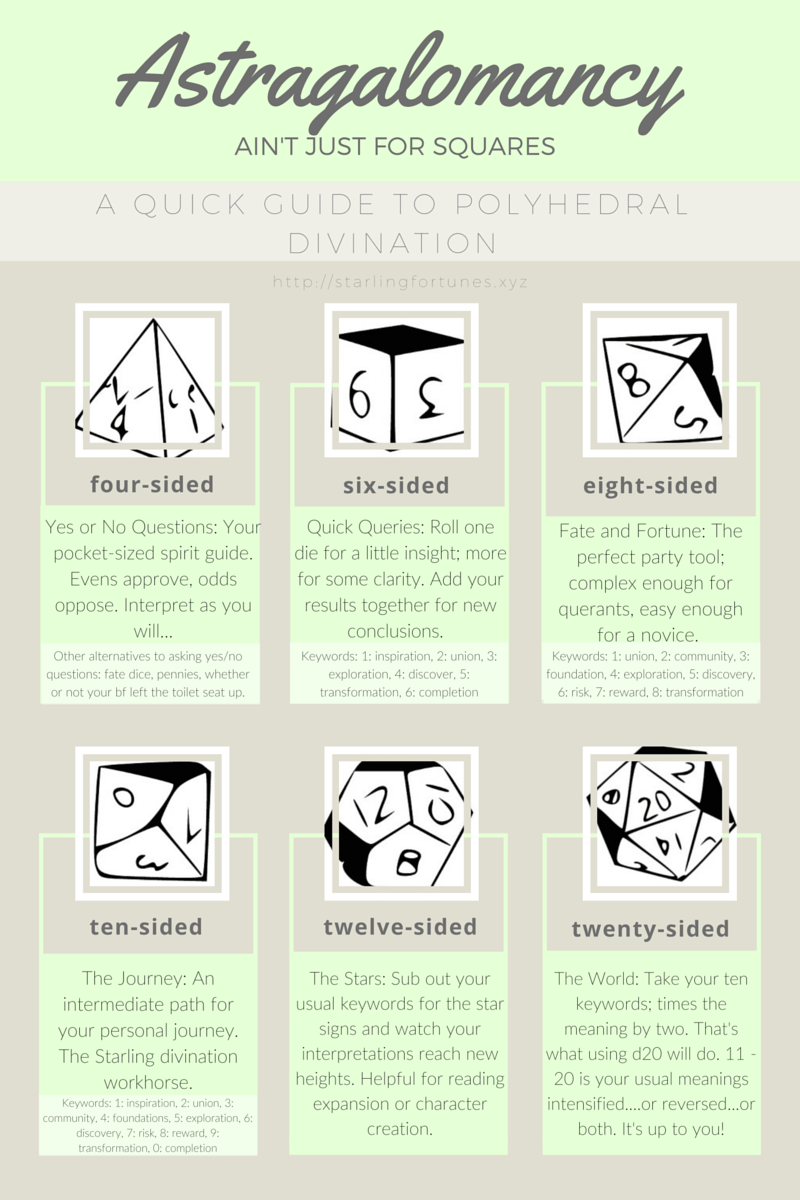
quick question to the witches of tumblr
can you please generally define christopagan for me, cause i have no clue what it means.
hi there!
christopaganism is a blended path of paganism and christianity. it looks different for everyone that follows it, but here are some of the ways it might be practiced:
-viewing other deities as aspects of God (pantheism)
-honoring other deities and worshipping God at the top of your personal hierarchy
-incorporating aspects of paganism in a christian practice (such as holidays, certain beliefs, etc)
-incorporating aspects of christianity in a pagan practice
hope this helps!
The Master doesn’t take sides; she welcomes both saints and sinners.
Lao Tzu (via aspiritualwarrior)
 bennu rising