
Since it’s super hard to find them when you need them! Anyone is welcome to use these, but I don’t want to see “this is great for people who DON’T have chronic illnesses too” (trust us, we know). Obviously not meant to replace medication!!
Back + neck issues:
- “Ease my neck pain” sigil
- “Ease my lower back and hip pain” sigil
- “My back is relaxed and free of pain” sigil
- “I am free of back pain” sigil
Brainfog:
- Brainfog lifting
- Brainfog relief spell
- Memory masterpost
Memory and concentration spell- “Brainfog begone” sigil
Fatigue:
- Spell for energy
- Energy gain spell
- Energy jar
- Energy bath
- Crystals for fatigue
- “No fatigue” sigil
- “Energy” sigil
- “I am energetic” sigil
- “I have the energy to take a shower” sigil
Headaches:
- Headache soothing tea spell
- Headache healing
- To banish a headache
- Tea for cluster headaches
- Curing a headache
- “Ease my morning headaches” sigil
- “Headache” sigil
- “Against headaches” sigil
- “My headache goes away” sigil
Immune system:
Joint pain:
- Joint pain spell
- “Ease my joint pain” sigil
- “My arthritis is manageable” sigil
- “My joints are stable” sigil
Migraine:
- Anti-migraine spell
- A spell for migraines
- Anti-migraine spell bottle
- Migraine relief bath
- Migraine magic (herbs and crystals)
- Witch tip for migraines
- “Ease my migraine” sigil
Muscle pain + spasms:
- Crystals for rheumatic and muscular pain
- Muscle pain sachet
- “Ease my jaw tension” sigil/s
- “My muscles are relaxed” sigil
Pain (general):
- Chant to ease the pain
- Chant for bad pain days
- Simple ease the pain spell
- Chronic pain relief spell
- Release my pain to the wind spell
- Bath spell to ease chronic pain
- “I find moments of peace from my pain” sigil
- “The pain is gone” sigil
- “Relieve chronic pain” sigil
Sleep problems:
- Sleep crystal spell
- Spell to help you sleep when you’re in pain
- Sleep easy spell sachet
- Sleepy witch tip
- Sleep aid art
- “My chronic pain doesn’t affect my sleep” sigil
Stomach issues:
- Soothing tummy tea
- Anti-nausea bath
- “Anti-nausea” sigil
- “Find your way out” (constipation) sigil
- “My digestive issues are eased” sigil
- “I overcome stomach pains” sigil
If anyone knows of additional witchy content for any of these that I missed, or content on a category I wasn’t able to include, feel free to send it my way and I’ll get a part two started for this post!
Category: Uncategorized

“He came forth through the forethought. And the invisible, virginal Spirit placed the divine Autogenes of truth over everything.
And he subjected to him every authority, and the truth which is in him, that he may know the All which had been called with a name exalted above every name. For that name will be mentioned to those who are worthy of it.”
– The Apocryphon of John / Dead Sea Scrolls / Nag Hammadi Library
A tour of Christian Tumblr
Anglican Tumblr: Often gay, always nerds
Catholic Tumblr: Loves Mary, will fight you
Orthodox Tumblr: ICONS
Evangelical Tumblr: Instagram pics of bibles and coffee
As a Christian are you allowed to cuss so freely?
Sure, there aren’t actually any rules against saying swear words at all. When the Bible refers to “swearing,” it is actually talking about making promises and going into debt, or creating debtors. So when Jesus says “swear not at all,” he is saying “don’t promise someone you will pay them back later, or promise that you will hold someone to account for their promise to pay you back later.” Basically the entire premise of the modern banking and loan system is “swearing” in the bad sense the Bible means. Hence another reason why Capitalism is bad. Saying “fuck” is fine – although I probably wouldn’t do so in a church or somewhere that is meant to be more reflective and spiritual for people.
I’m going to build a church and the only thing you’re allowed to say inside is fuck
🙏🙏⛪⛪
not to be a heretic on main but where’s the sexiness in protestantism. oh you rejected the vatican and now you’re the white bread of christianity okay janet
Mentally ill witchcraft: For your symptoms
It’s really common to find witchy mental illness/health related content that is catered towards specific illnesses (usually anxiety and depression). This is more catered to specific symptoms. This does NOT replace medication!
Anger:
- Amethyst anger release spell
- Easy anger release spell
- A quick way to cool anger
- Anger dispersion magic tea
- Anger reducing bath
- Bath spell to release anger
- “I channel my anger in a healthy, safe and productive manner” sigil
- “My anger is under control” sigil
- This masterpost
Anxiety:
- Anti-anxiety shower spell
- Soothing bath spell
- Rainy day anxiety spell
- I will be okay spell
- Anti-anxiety spell jar
- Anti-anxiety spell charm
- Anti-anxiety tea
Brain Fog + Memory:
- ADHD concentration spell bottle
- Brainfog lifting
- “Brainfog begone” sigil
- Rosemary memory spell
- Finding things/ memory spell
- Memory and concentration spell
- Memory enhancement sachet
Depression:
- Post-depressive-episode bath spell
- Ease my depression spell bottle
- “Last hope” spell for depression
- Anti-depression tea
- Gems for depression
Disassociation:
- Spell for disassociation
- Witch’s disassociation bracelet
- “Anti-disassociation” sigil
- “I am grounded and in control of my emotions + reactions” sigil
Fatigue:
- Spell for energy
- Energy gain spell
- Energy jar
- Energy bath
- Crystals for fatigue
- “No fatigue” sigil
- “Energy” sigil
- “I am energetic” sigil
- “I have the energy to take a shower” sigil
Flashbacks/trauma
- Spell to release emotional blockage
- Piece by piece trauma healing spell
- Healing from childhood trauma spell bottle
- Spell bottle for reassurance
- “My trauma does not hold me back” sigil
Insomnia + nightmares:
- Restful sleep and sweet dreams sachet
- Sleep crystal spell
- Stuffed animal sleep spell
- Sleep easy spell sachet
- Sleepy witch tip
- Nightmare ward charm
- Nightmare repellent
- Nightmare prevention – crystals and herbs
- Dream witch nightmare tips
Intrusive thoughts:
- OCD assistance bath
- Spell to ward against intrusive thoughts
- Spell to control intrusive thoughts
- Banish intrusive thoughts incantation
- Banishing unwanted thoughts spell
- Intrusive thought banishing spell
Panic attacks:
- Panic attack relief pouch
- Anti-panic attack spell earrings
- Rose Quartz calming spell
- “Ease my panic attacks” sigil
- “I have less panic attacks” sigil
Paranoia:
- Crystals for paranoia
- “My paranoia does not control me” sigil
- “I don’t let paranoid thoughts overcome me” sigil
- “My paranoia does not affect me” sigil
Picking (hair, skin, etc.):
- Ease skin picking spell
- “I resist the urge to pick my skin” sigil
- “I keep from picking” sigil
- “My trichotillomania is under control” sigil
- “I don’t pull out my hair or eyelashes” sigil
- “I am in control and resist the desire to pick my hair” sigil
Mood Swings/Emotional Balance:
- Increasing your emotional tolerance spell
- Crystals for BPD
- “I regulate my emotions well”
- “I am happy and do not have mood swings” sigil
If anyone has content on a category I wasn’t able to include, or for a category that is lacking, feel free to send it my way and I’ll get a part two started for this post! Click [here] for the chronically ill symptoms masterpost.
where’s my religious gf that i can pray with and take to church
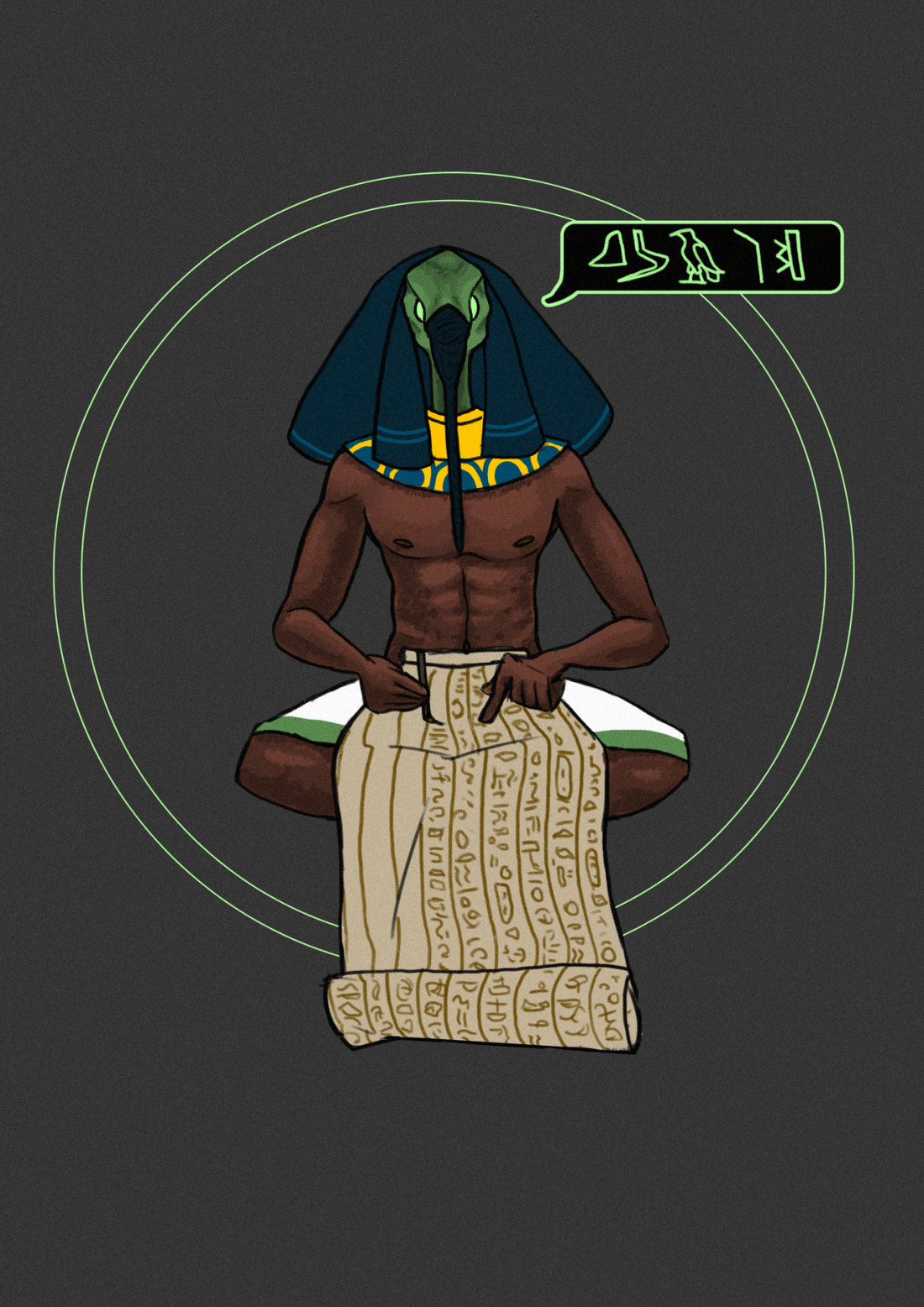
Mr. Ibis en persona.
Hecho para un reto donde la palabra clave era “words/palabras”.
2018

Thousands of rosary beads are hanging from the branches of trees around a hilltop shrine outside the city of Salta, Argentina.
Photo credit: Teresa Warenycia
Buddhist Etiquette
Before visiting a Buddhist temple or center, it’s important to know a few important rules so that we don’t offend or disrespect the temple, people, and monastics. Please read below some of the proper etiquettes when visiting a temple or interacting with monastics.
Temple/Holy Place Etiquette
- When entering a temple, it is respectful to make prostrations and bow.
- When entering a shrine room or Dharma hall, remove your shoes and hat before entering.
- It is common to circumambulate clockwise at holy or sacred places, such as stupas and statues.
- When lighting a candle or incense, do not blow out the flame with your breath, but rather wave your hand to extinguish it.
- When place an incense in the censor or at a statue, it is respectful to bow before and after placing the incense.
- Avoid sneezing, sniffling, blowing your nose, coughing, or clearing your throat too loudly when in a meditation hall, so that you do not disturb others.
- When a service is beginning or about to begin, avoid talking with others or making too much noise. Instead, be mindful and listen mindfully to the sounds of the bell.
- Never bend over forward with your back toward the shrine or monk or nun. When standing, do so slowly with your head bowed facing the shrine.
- When standing or sitting in the Dharma hall, do so silently with your back straight and with mindfulness.
- When visiting a temple, going to a teaching, or meeting with a monk or nun, it is not appropriate to wear revealing clothing. Clothing should be respectable – pants or shorts and skirts below the knee is acceptable.
Sacred Objects
- Books and statues should never be placed on the ground, in dirty places, or generally where people sit. They should be on a shelf or as high as possible.
- Do not point at any sacred object or monk or nun with your index finger. Instead, gesture toward the object with an open palm.
- Do not step on any sacred objects, including books, papers with sutras or mantras on it, prayer beads, and other sacred objects.
- When approaching or using Dharma instruments, bow to it or raise it up to your forehead before and after using them.
- When approaching and bowing to any sacred objects, statues, or monks and nuns, bow and step backward a few steps before turning around.
Monks and Nuns
- Avoid touching or hugging monks and nuns, especially if they are of the opposite gender.
- When greeting monks and nuns, place your palms together and bow your head.
- When addressing a monk or nun that you do not know, address them as “Venerable” until you are familiar with what the Sangha calls them.
- It is common to stand up when a monk or nun enters the room with your palms together and bowed head, especially if he or she is teaching.
- When sitting, avoid extending or pointing your feet toward the monk or nun and shrine.
- For serving, start with the highest (or oldest) monk or nun first before serving anyone else.
- When offering something, do it with both hands, even if it something small.
- When having a meal with a monk or nun, stop eating while they are speaking to you so you can be mindful of their teachings.
 bennu rising